
How long a running shoe lasts, and how you can tell
The 300 to 500 mile rule has almost nothing underneath it. What the studies measured, why the expensive foam expires first, and what to look at instead.

Every technology on this site was somebody’s answer to a problem, and the answer usually makes more sense once you know what the problem was. These are the stories behind the names on the shoe boxes: who started the company, what they were trying to fix, the decision that nearly finished them, and the one that worked. I write them because I keep finding that the history explains the shoe better than the marketing does.
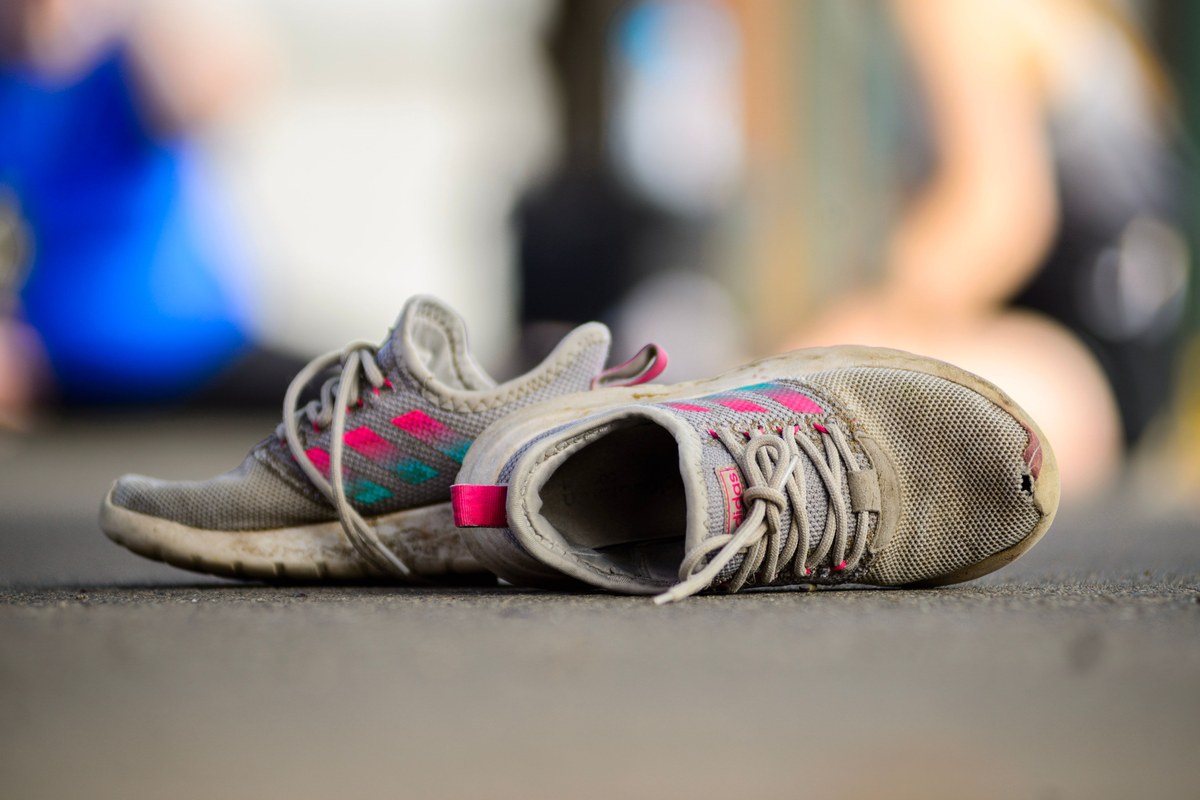
The 300 to 500 mile rule has almost nothing underneath it. What the studies measured, why the expensive foam expires first, and what to look at instead.
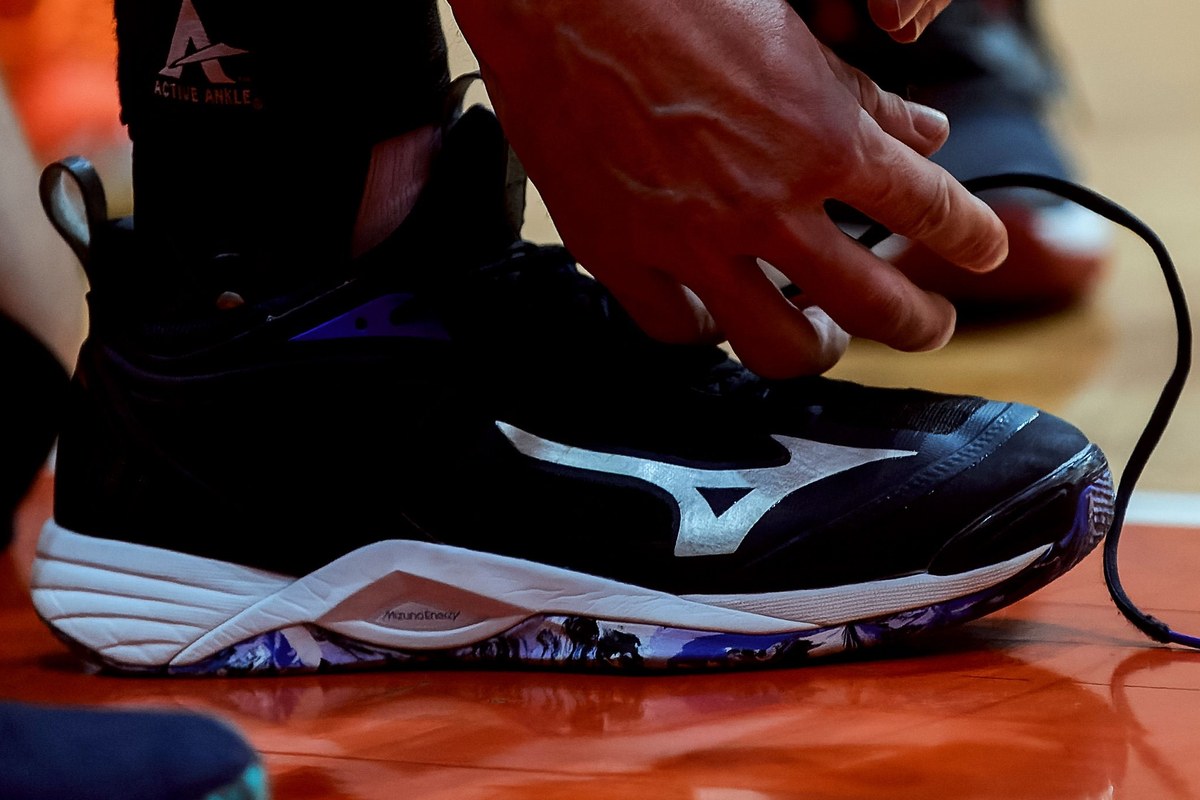
Older than every brand here but one, and built on an idea nobody else kept: that the work of a midsole is better done by a shaped plate than by more foam.
19 October 2026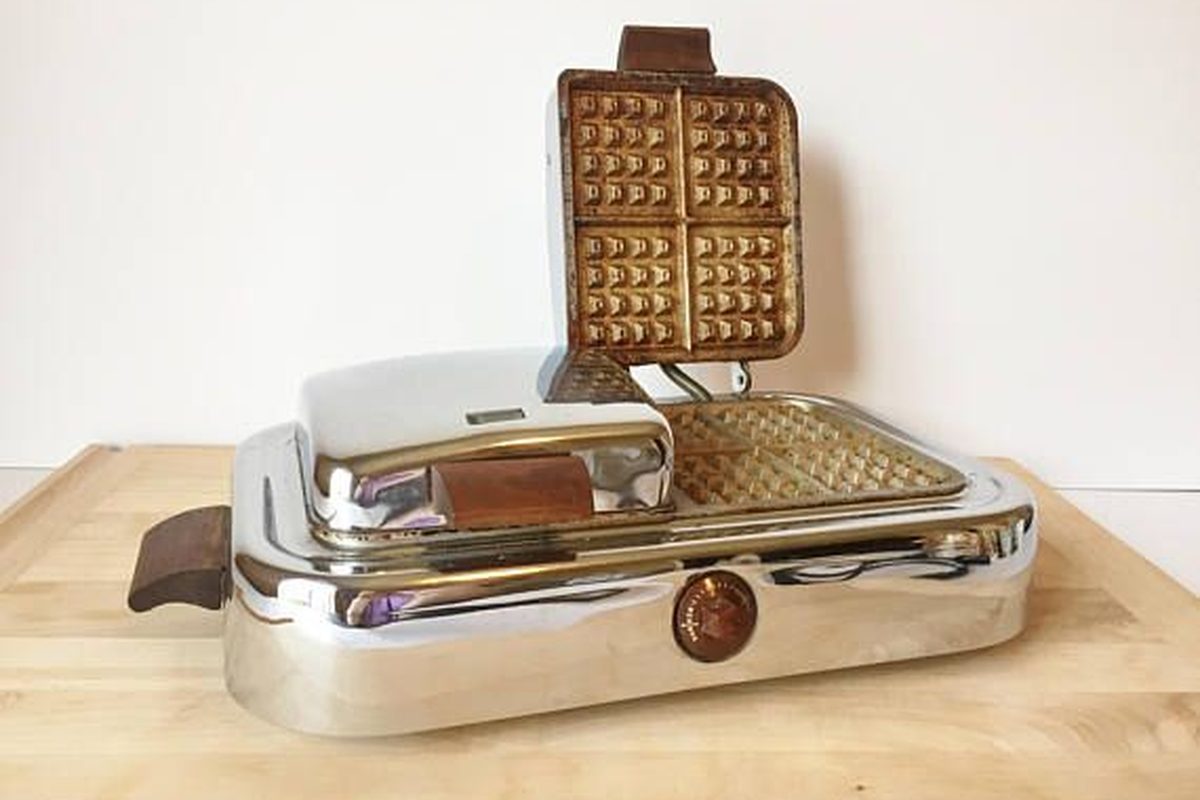
It starts with shoes sold from the boot of a car and a waffle iron ruined in the name of research. Out of that came the waffle sole, the air unit, and the most effective three words in advertising.
18 September 2026
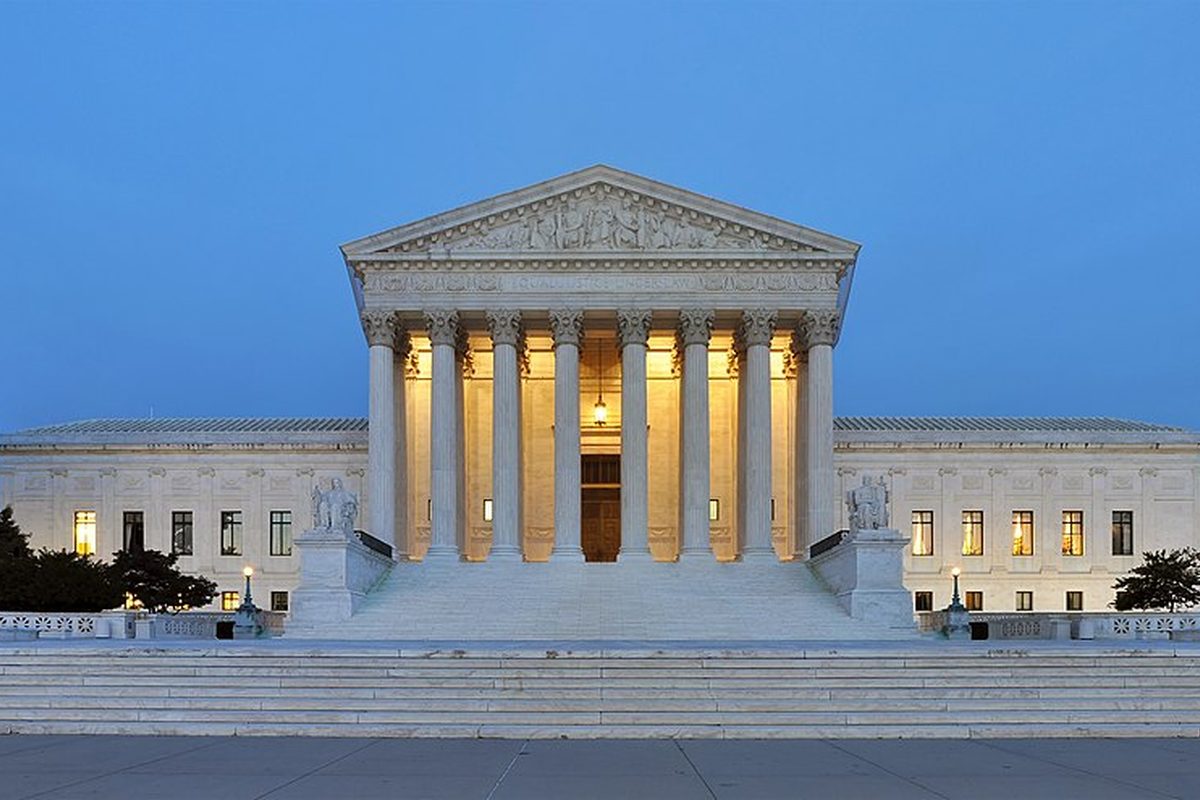
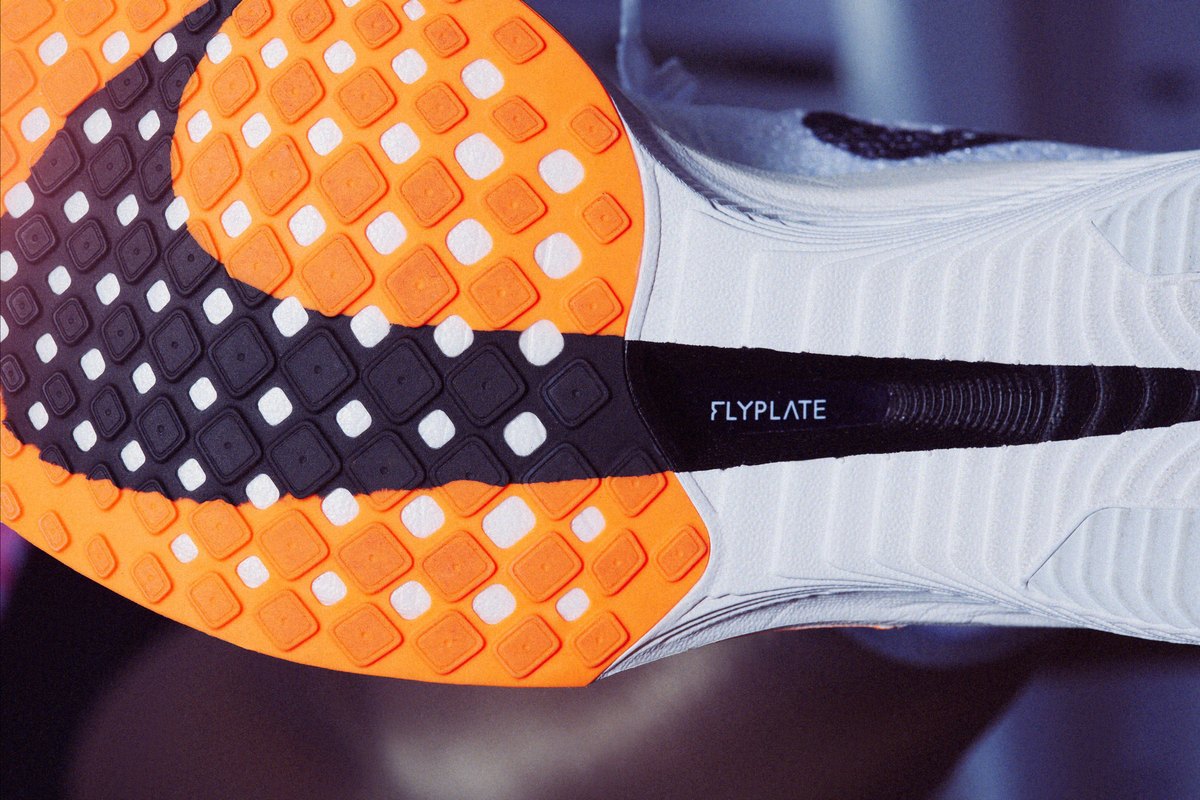
A Monza racetrack in 2017, a 4% that belongs to the whole shoe, a rule that drew a 40 mm box – and what any of it is worth to a runner who is not chasing two hours.
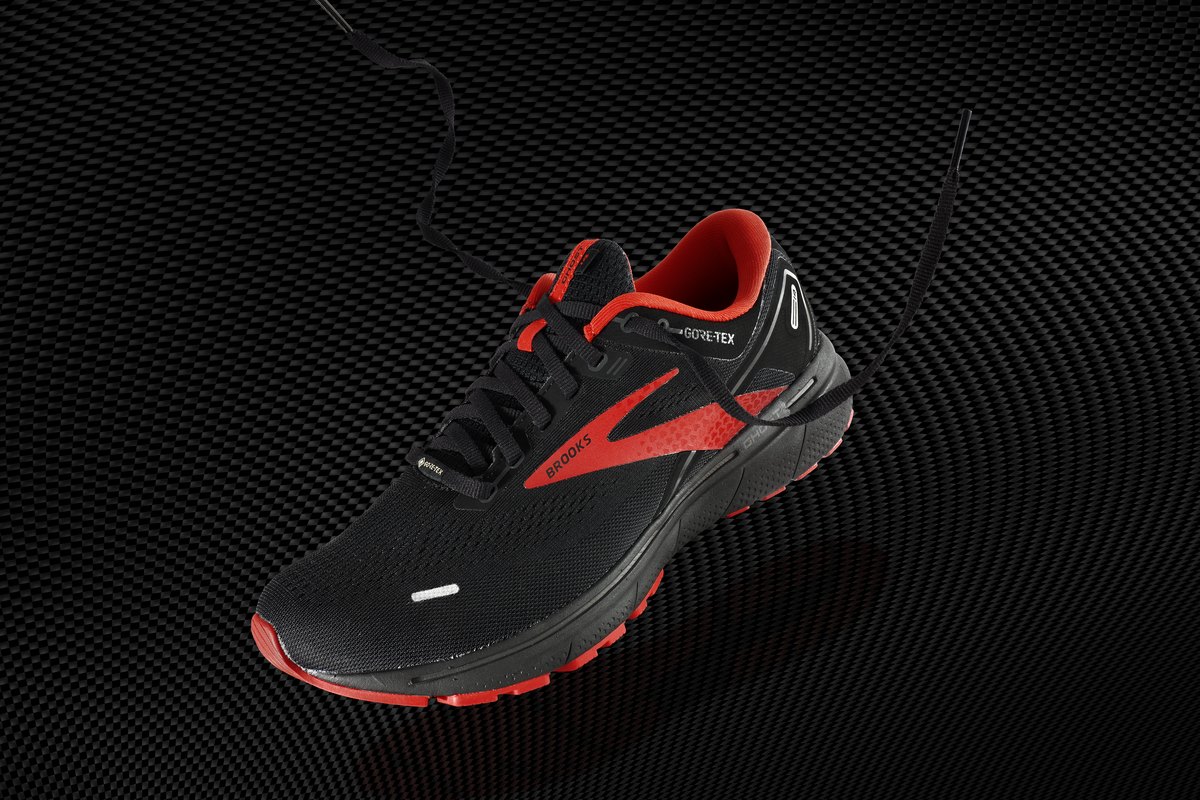
Bathing shoes in 1914, a bankruptcy auction, and the 2001 decision to make running shoes only – then Warren Buffett, by accident.

A former officer in Kobe, a name that is a Latin prayer, the importer who became Nike, and the gel in the heel that everyone knows and few understand.
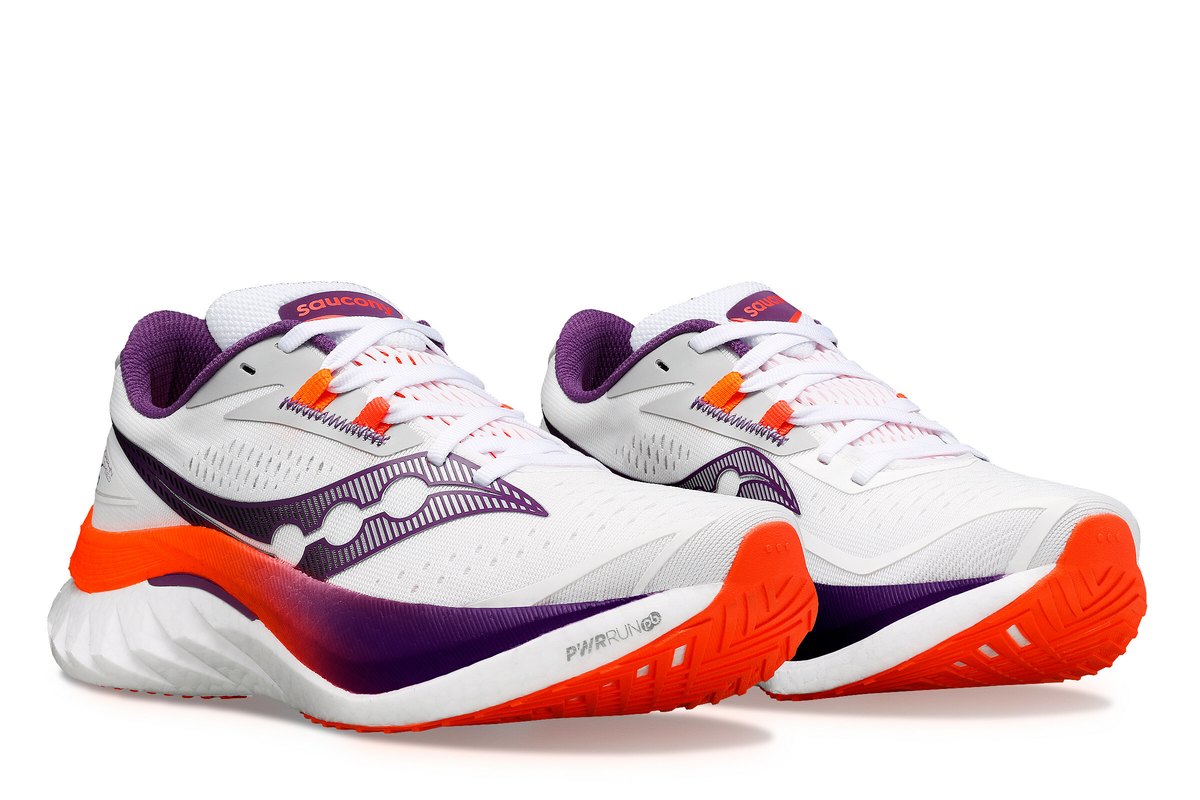
Named after a Pennsylvania creek in 1898, owned by the firm that booted the Apollo astronauts, and early to both the low drop and the carbon plate.
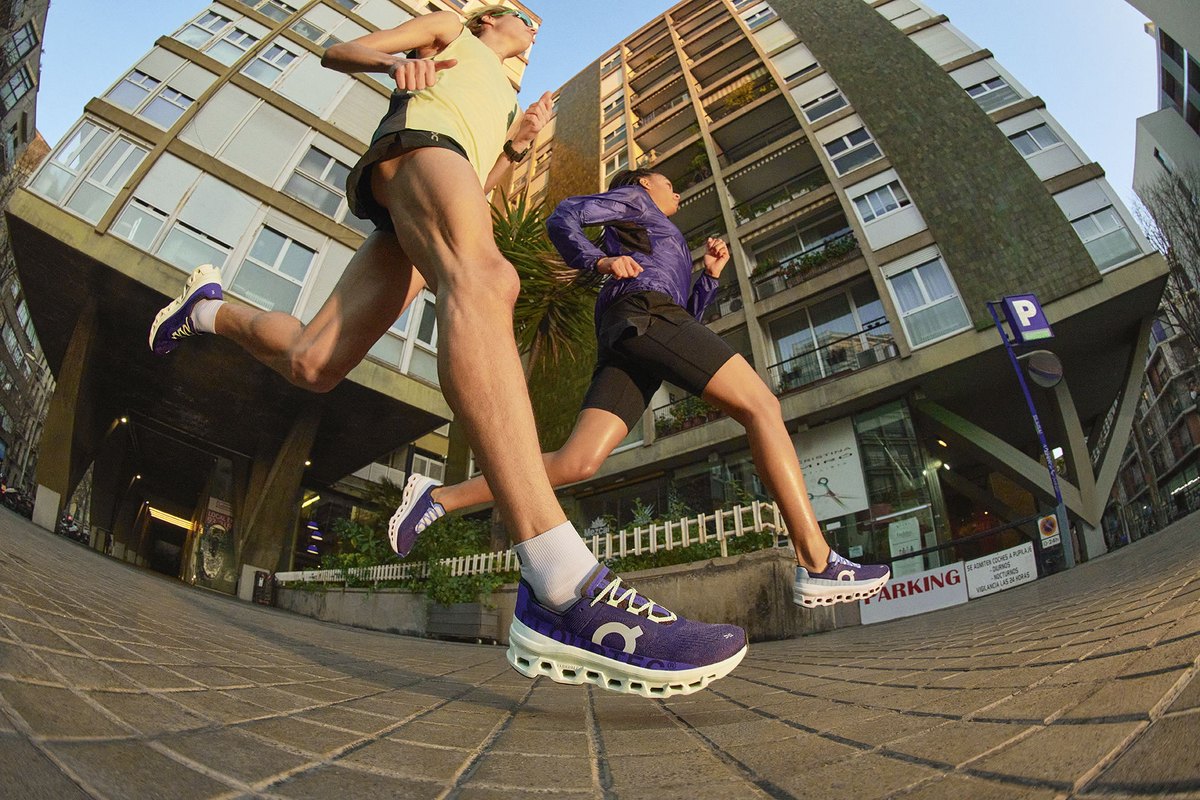
Three friends in Zurich, a sole made of hollow pods, Roger Federer as co-owner and a New York listing eleven years later.
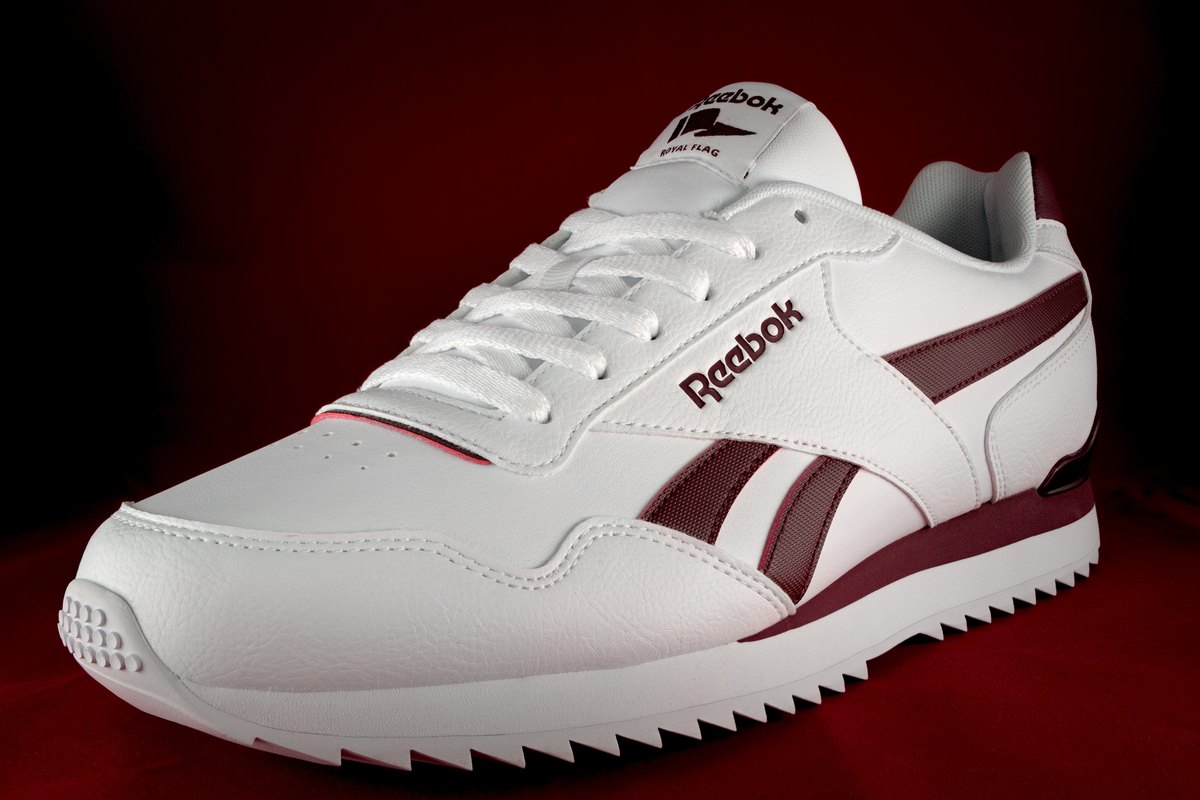
Spikes made above a Bolton sweet shop in 1895, the shoe that invented the fitness market, and a brand sold twice in sixteen years.
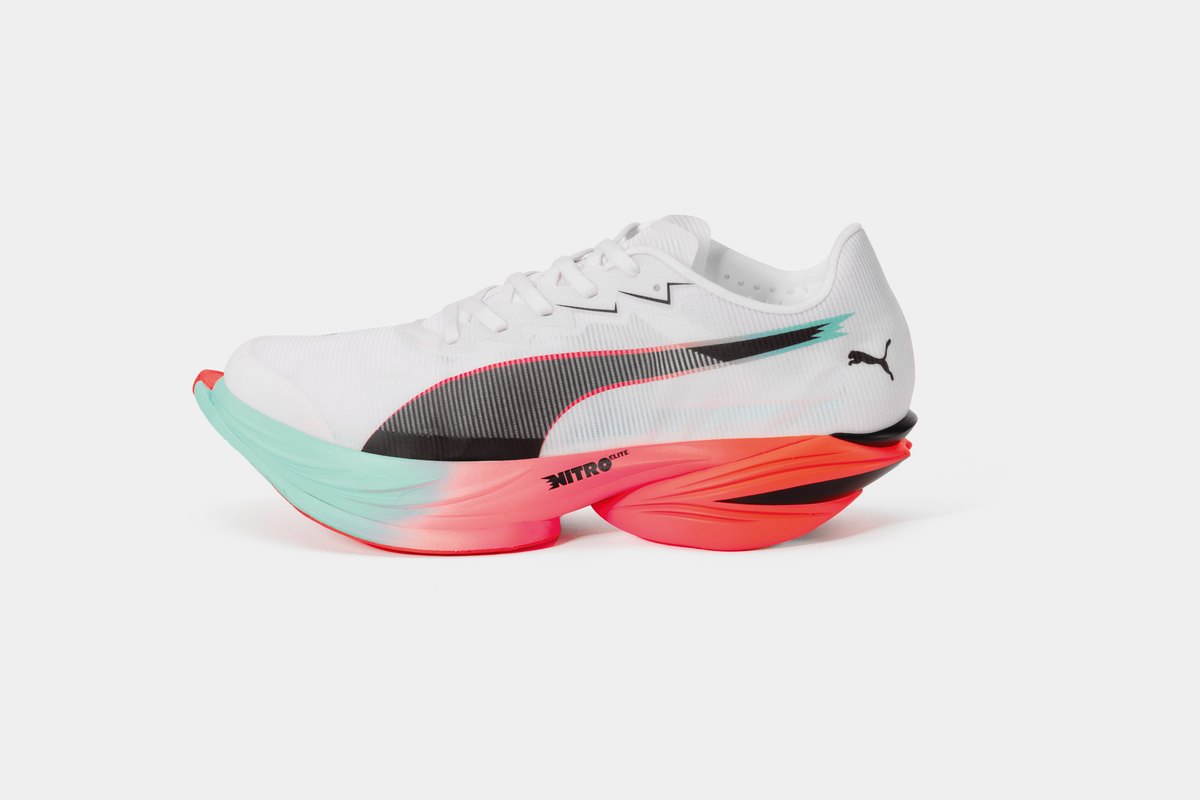
Two brothers, a town split in half, a raised fist in Mexico City, Pelé’s laces – and the nitrogen foam that brought Puma back to running.
It began in 1992 with work boots for skate culture, went through the most expensive advertising scandal the trade has seen, and came back with technology developed alongside podiatrists.

Two Frenchmen, a name borrowed from Māori, and a sole everybody laughed at. Fifteen years later everybody copies it.

Two brothers who stopped speaking, a mark bought from a Finnish rival, and the foam that made every competitor start again.
If you came here for a particular shoe rather than a particular company, the models table is the faster route: filter it by brand, technology, price or what the shoe is for. What each material actually does is explained part by part on the home page. The brand histories are better read the other way round – start with the company, and the choices in its current range stop looking arbitrary.
Nothing here is sponsored, and no brand has had sight of what I wrote about it. Where I am giving an opinion rather than a fact, I say so.